Begin with the person, not the label
An attar can make a thoughtful Eid or festive gift because it is personal, compact and connected to a long fragrance tradition. The best choice begins with the person receiving it. Think about the scents they already enjoy, whether they prefer floral or woody notes, and whether they usually wear an oil or a spray. A category label cannot predict their taste as well as a small amount of real information about their preferences.
Kannauj Attar’s current catalogue includes individual products such as Gulab, Jasmine, Mitti, Zafran, Oud, Shamama, Hina and Rajnigandha. Their descriptions provide a starting point for comparison. Read the product page for the current format and size rather than assuming that every item is packaged as a gift set.
Choose by fragrance character
For a floral preference, Gulab is described as soft and richly floral, Jasmine as a luminous white floral, and Rajnigandha as an elegant white floral. These descriptions can help you shortlist a gift for someone who already enjoys flowers. Kewda and Harsingar provide additional floral directions, each with its own listing and current information.
For a warmer or deeper preference, Zafran is described with warm spice and honeyed depth, Hina with a warm resinous blend, and Oud with deep woods and resin. Shamama is described as a layered conversation of botanicals, spice and woods. These words are not a strength or longevity guarantee; they are a way to understand the intended scent direction.
Consider how the recipient wears fragrance
Some people enjoy applying a tiny amount to the wrist or behind the ear. Others prefer a spray or a fragrance that can be used as part of a daily routine. Attar is generally an oil-based format and is commonly applied in small amounts. If the recipient already wears perfume oils, a traditional attar may feel familiar. If they only wear sprays, explain the application style when giving the gift.
Do not make health or religious assumptions about the recipient. Alcohol-free attar is generally understood as an oil-based format, but the individual product information should be checked. If the gift is intended for a particular festive or devotional context, ask the recipient about their own preferences and requirements instead of inferring suitability from a floral or woody name.
A single bottle or a group of ideas
The current website catalogue lists individual products and does not confirm a pre-made Eid gift set. You can still create a personal shortlist by comparing two or three descriptions, but do not represent that shortlist as an official bundle. Open the product pages to see the formats and sizes currently shown, then confirm availability and any presentation question with the team.
If you are buying for a business, a festive gifting conversation may be different from a personal purchase. A company may need to discuss a broader quantity, packaging or private label direction. Those details are not published as standard terms. Use the existing business pages and the regular contact form to explain the requirement and ask what can be confirmed.
Check the product page
Before ordering, open the individual product page and check the name, description, available format and current size. Product pages are more authoritative than a general gift guide. If the recipient has a known sensitivity or a specific ingredient question, contact the team before buying. The gift should be chosen with enough information for the recipient to use it comfortably.
Shipping and return information is available on the site, but this guide does not add international shipping promises or delivery times. For an international buyer, ask the team about the arrangements that apply before making a purchase. The same principle applies to packaging, gift notes and presentation: confirm what is available rather than assuming a festive service.
A respectful festive gift
Festivals carry different meanings for different people. A fragrance gift should be offered with respect for the recipient’s preferences and practice. Avoid presenting a scent as a religious requirement or a guaranteed symbol of a celebration. Let the fragrance be a personal gesture and give the recipient space to decide how they want to wear it.
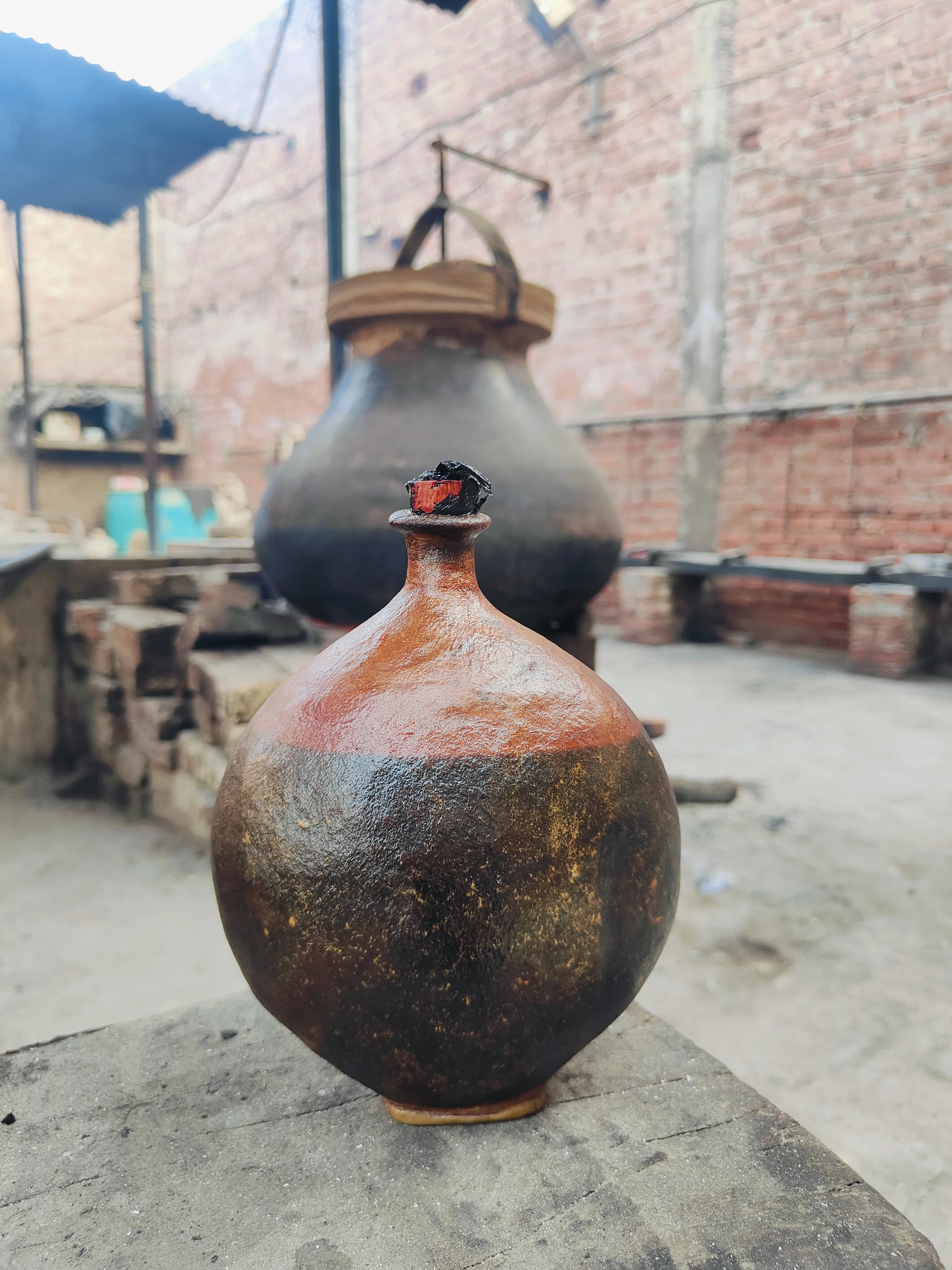
The Kannauj tradition adds a meaningful story without needing exaggerated claims. The company’s family has a legacy in Deg-Bhapka attar distillation, and its own perfume manufacturing plant is in Kannauj. That background can be shared as part of the gift’s context. It should not be expanded into claims about age, certification or a special festive status that has not been confirmed.
If you are unsure
When the recipient’s taste is unknown, choose a description that matches something they already enjoy, or ask them directly. A gift card or a conversation about fragrance can be more useful than guessing. You can also send the recipient links to the product pages and let them choose from the current collection.
For help with a product question, use the existing contact form. Include the product name and your question in the message. There is no need to use a separate gift form. Keeping the same contact route makes it easier for the team to manage personal and business questions together.
Conclusion
Choosing an attar as an Eid or festive gift is mainly about understanding the recipient and reading the product information. Compare floral, earthy, woody, resinous and blended descriptions; consider the oil application; and confirm current format and presentation. The current catalogue lists individual products, not a confirmed pre-made gift set.
A careful gift does not need exaggerated promises. Share the Kannauj story accurately, ask questions where details are open and let the recipient’s own preference guide the final choice. Browse the collection, read the product pages and contact the team if the available information does not answer your question.
When in doubt, make the gift easy to understand: name the product, share the listed fragrance direction and explain that a small dab is the usual starting point for an oil fragrance. The recipient can then decide how and when they would like to wear it.